Updated: 2026-08-20 10:54:02
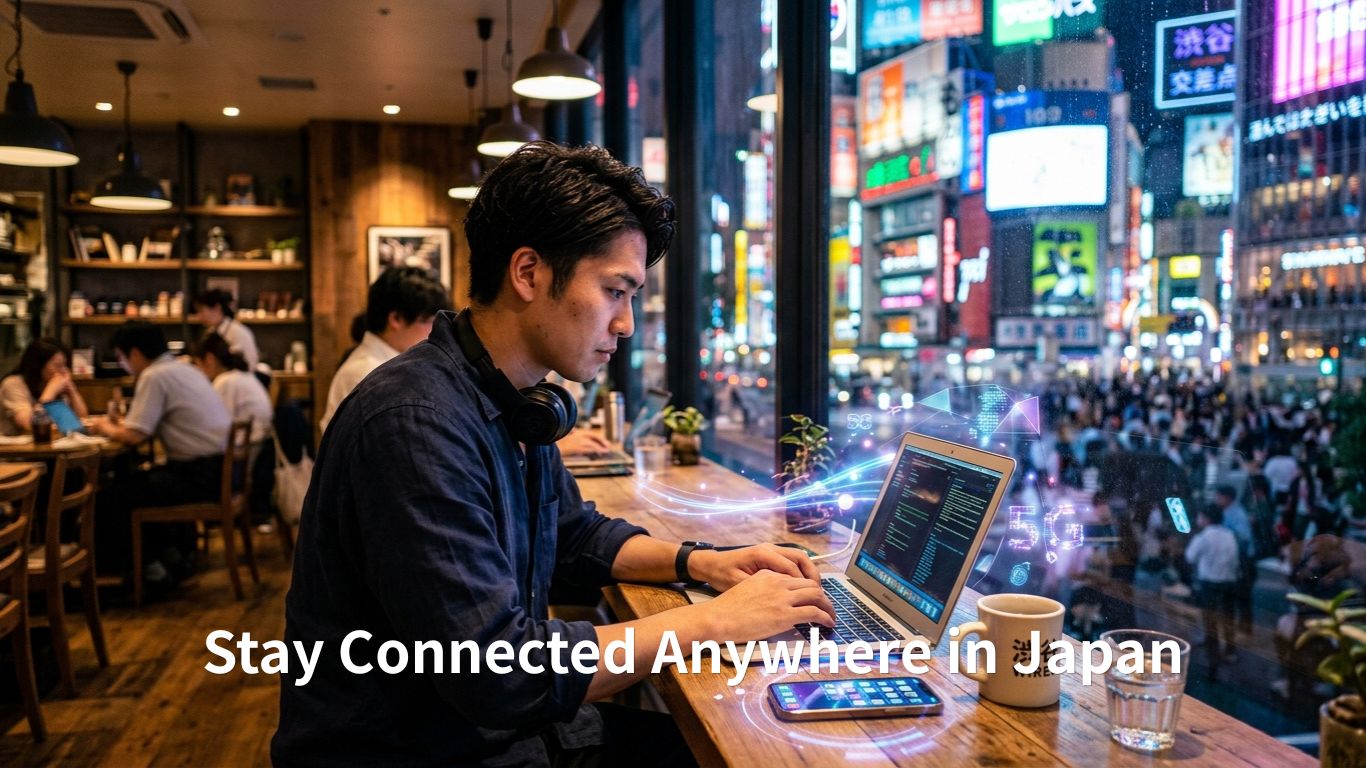
In 2024, Japan launched its highly anticipated Digital Nomad Visa, officially opening the door for remote workers to base themselves in the land of the rising sun. However, getting your visa approved doesn't automatically grant you seamless internet access. A dropped Zoom call mid-presentation or an endless file upload can directly impact your professional reputation and income—a risk no remote worker can afford.
In this guide, we break down why relying on fixed home broadband isn't feasible for digital nomads in Japan and evaluate the most practical internet options to keep your remote workflow fast, stable, and stress-free.
To qualify for Japan's Digital Nomad Visa, applicants must meet specific requirements, such as an annual income of at least 10 million JPY and private health insurance. The visa allows stays of up to six months and is non-renewable. Crucially, this visa status does not permit long-term residential lease agreements in Japan.
This restriction fundamentally changes your internet strategy. Many travelers assume they can simply sign up for traditional fiber-optic broadband upon arrival. However, because your visa status prevents you from signing a standard multi-year lease, fixed home internet is off the table for most nomads.
Setting up fixed broadband in Japan typically requires a permanent domestic address, Japanese residency documentation, and lengthy contractual commitments. The short- to mid-term accommodations favored by digital nomads—such as hotels, monthly service apartments, and coliving spaces—rarely allow guests to install new physical fiber lines.
Even if installation were permitted, getting a fiber line set up can take several weeks or even months. This timeline directly contradicts the agile lifestyle of digital nomads who relocate every few weeks or months. Relying on a fixed location for connectivity simply does not fit a nomadic way of working.
To maintain high productivity and professional integrity, remote professionals require specific connectivity standards:
Here is how the main connectivity options stack up for remote workers operating in Japan:
| Connectivity Option | Pros | Cons | Suitability for Remote Work |
|---|---|---|---|
| Public Wi-Fi | Widely available in cafes, airports, and stations; free to use. | Session time limits, unpredictable speeds, security risks, dropped calls. | Low (Emergency or light browsing only) |
| eSIM | Instant activation before arrival, no physical card swap required. | Data caps, roaming latency, local app IP blocking, short plan limits. | Moderate (Secondary backup or short-term travel) |
| Coworking Spaces | High-speed internet, ergonomic desks, quiet meeting rooms. | Monthly fees, restricted business hours, tied to one location. | High (For desk work, but requires secondary mobile setup) |
| Smartphone Tethering | No extra hardware needed; uses existing phone connection. | Rapid battery drain, thermal throttling, connection drops on incoming calls. | Low to Moderate (Short-term backup only) |
| Pocket Wi-Fi Rental | No address required, unlimited 5G data, connects multiple devices, works nationwide. | Requires carrying a small portable router and keeping it charged. | Ideal (Best overall solution for nomads) |
Japan has extensive public Wi-Fi infrastructure in airports, cafes, and shopping centers. However, frequent login screens, strict time limits, speed throttling during peak hours, and security vulnerabilities make public Wi-Fi unsuitable for professional use. You cannot risk having a client meeting drop out midway due to network congestion.
eSIMs offer convenience for travelers who want to set up data before landing without swapping physical SIM cards. However, most travel eSIMs operate on roaming routing rather than connecting directly to local Japanese carrier networks.
International roaming routes your data through overseas servers before reaching the destination, causing high latency (ping delay). This lag leads to audio delays during Zoom meetings and slow map loading. Furthermore, your IP address will register as foreign, causing Japanese banking apps, local payment systems, and restaurant reservation platforms to block your access. CDJapan Rental offers eSIMs directly connected to NTT Docomo, eliminating roaming latency and IP blocking issues.
Additionally, travel eSIMs are usually sold in 7, 15, or 30-day packages. Relying on short-term eSIMs for a 6-month Digital Nomad Visa stay requires constant repurchasing and reconfiguration, quickly becoming expensive and cumbersome.
Major cities like Tokyo, Osaka, Kyoto, and Fukuoka offer world-class coworking facilities with dedicated high-speed internet. While excellent for focused office work, membership fees add up, and operating hours may limit night shifts when working across distant time zones.
Relying on your phone's hotspot might seem convenient, but it carries significant technical risks. Continuous tethering drains smartphone batteries rapidly and generates heat, leading to automatic CPU and speed throttling. Furthermore, on many mobile networks, receiving an incoming phone call momentarily disconnects the hotspot data session—a critical flaw if you are on an active video call.
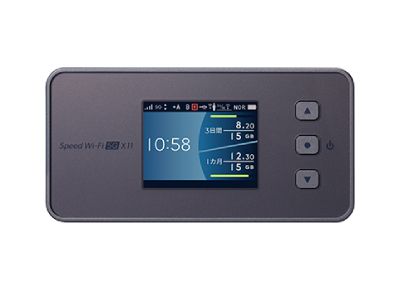
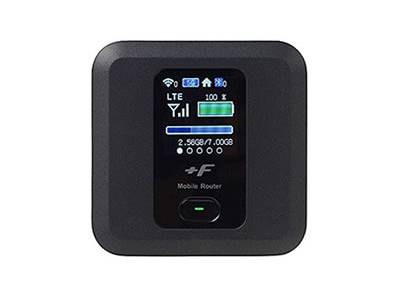
Renting a portable Wi-Fi unit requires only a credit card—no Japanese residency, proof of address, or long-term contracts required. It provides a personal high-speed network that follows you anywhere in Japan, supporting multiple devices seamlessly. Explore flexible plans with Pocket WiFi Rental.
CDJapan Rental's Long Term Pocket WiFi requires no Japanese address registration or multi-year contracts. You can easily sign up online with a standard credit card. This aligns perfectly with the administrative limits of Japan's Digital Nomad Visa. With high-speed 5G connectivity and unlimited data allowance, you can work with complete peace of mind.
Moving from a high-rise apartment in Tokyo to a beach house in Okinawa or a mountain chalet in Nagano? Your Pocket Wi-Fi travels with you. There is zero setup time at new locations and no need to re-configure Wi-Fi passwords across all your devices.
A single Pocket Wi-Fi router connects your laptop, smartphone, work tablet, and backup devices simultaneously without sacrificing connection stability.
Ordering is straightforward: choose your plan online and complete your reservation via credit card. You can pick up your device at your hotel, service apartment, local post office, or directly at major Japanese airport counters upon arrival.
Returning the unit is equally effortless. Simply place the router and accessories into the pre-paid return envelope provided and drop it into any standard postal box located anywhere in Japan before departing. No queueing at airport counters required.
Note on network performance: While major urban areas like Tokyo and Osaka have robust mobile networks, heavy traffic during rush hours can occasionally cause slight speed variations. If you plan to travel to remote rural areas or mountainous regions, checking coverage maps beforehand ensures smooth connectivity.
Remote professionals frequently share their internet experiences and challenges when working from Japan:
Japan offers incredible opportunities for digital nomads, but taking full advantage requires reliable, stress-free connectivity. With no address verification or long-term contracts required, CDJapan Rental's Long Term Pocket WiFi gives you unlimited 5G data wherever your work takes you across Japan.
Secure your remote connection before you land in Japan:
For use over 90 days (Monthly Plan)