Updated: 2026-08-18 18:20:01
For foreigners starting a new life or long-term stay in Japan, securing a local phone number is just as important as finding an apartment or setting up Wi-Fi. While it might seem easy to get by with just message apps or email, you will quickly realize that a Japanese phone number is essential. Beyond standard phone calls, it is routinely required for identity verification and two-factor authentication via SMS (short message).
This guide breaks down the step-by-step process for non-Japanese residents to obtain a voice and SMS-enabled phone number, key document requirements, common pitfalls to avoid, and smart strategies to stay connected to high-speed internet while your application is processed.
It is common for newcomers to put off getting a local SIM because they feel nervous about handling phone calls in Japanese. However, in Japan, a mobile number serves a dual purpose: it is both a means of verbal communication and a primary tool for identity security (ID authentication). Depending on what you are trying to accomplish, requirements fall into two main categories: services needing SMS reception and those requiring direct voice calls.
SMS verification is the standard for account creation and two-factor authentication in Japan. Services send a short one-time passcode to a Japanese mobile number starting with 090, 080, or 070.
For formal paperwork and emergency contacts, real-time voice calls are indispensable.
Yes, absolutely. Foreign residents can easily get a Japanese phone number. However, eligibility and carrier options (Major Carriers vs. Budget MVNOs) depend on your visa type, duration of stay, available documentation, and payment method.
There is no need to worry about being turned away simply because you are a foreigner. The key is picking a carrier that matches your current setup in terms of legal status, payment options, and official paperwork.
Before applying, make sure your intended plan meets your functional needs. Japanese SIM plans generally fall into three main categories:
| SIM Type | Voice Calls | SMS | Data | Best Suited For |
|---|---|---|---|---|
| Voice SIM | Yes | Yes | Yes | Medium to long-term residents who need calls, SMS verification, and data on one card. |
| SMS Data SIM | No | Yes | Yes | Users who do not need voice calling but require app SMS verification and mobile data. |
| Data-Only SIM / eSIM | No | No | Yes | Short-term visitors who only need internet access (Google Maps, messaging, web browsing). |
*If you plan to apply for a Japanese credit card, open a bank account, or sign official contracts, choosing a Voice SIM is the safest choice.
Under Japanese law (such as the Mobile Phone Act), you must provide three core items when applying for a voice plan:
You must present a government-issued document showing your photo and current address in Japan.
You need a valid payment method to cover monthly service fees.
Official confirmation of where you live in Japan.
Newly arrived expats most frequently hit roadblocks during the address verification phase.
Cell phone registration in Japan can take anywhere from one to two hours even for locals, and minor paper errors force you to restart from scratch.
An American expat recalled spending nearly an entire day at a SoftBank store trying to get a SIM contract. Beyond the lengthy screening for English and Katakana name variations, the staff determined that a passport and Residence Card were insufficient, sending him home to fetch a utility bill with his printed address. That extra trip back home turned a standard procedure into an all-day ordeal.
This experience demonstrates that walking into a store assuming a Residence Card alone is enough can backfire at the address verification phase. Because a official residence certificate requires completing ward registration first, keeping backup proof like rental contracts or utility statements on hand is essential if you have just moved.
Source:
Rather than assuming setup will be instant, review your target carrier's required documents checklist carefully online before heading to a physical branch.
New arrivals often assume they should get mobile data and a voice phone number together at a retail phone shop on day one.
However, setting up bank accounts and registering addresses can take days or weeks. If you wait for those to finish before getting online, you risk living without basic navigation, translation, or messaging tools during your first critical days.
The smartest approach is a two-step strategy: separate internet access from phone line setup.
Step 1: Immediate Arrival
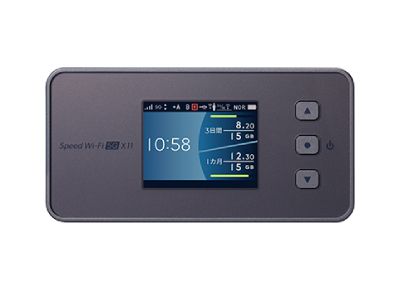
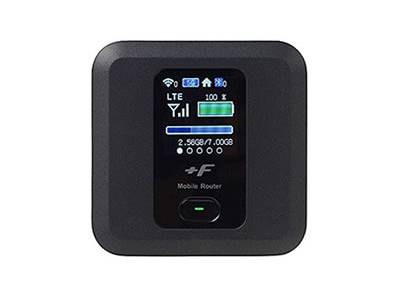
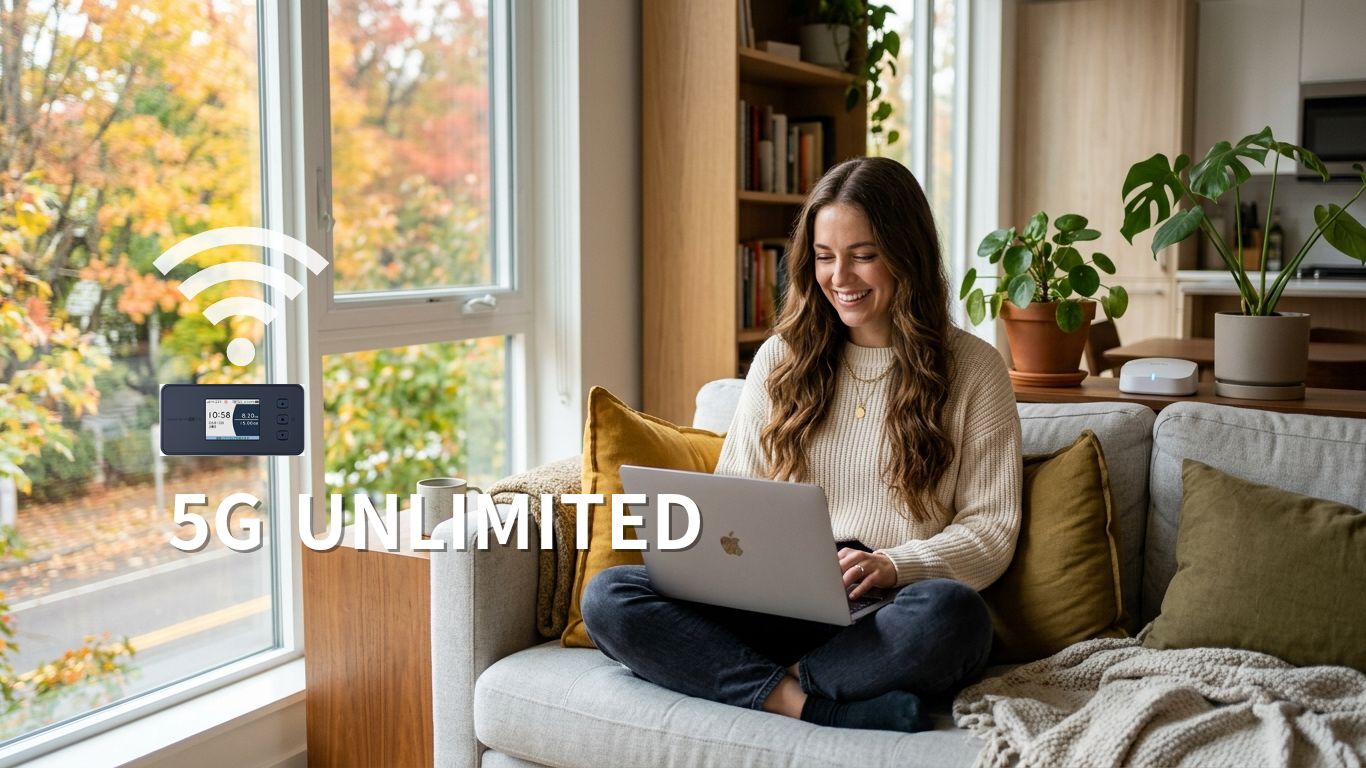
→ Secure an unlimited 5G Pocket Wi-Fi unit right away. Gain instant high-speed internet for navigation, paperwork, and daily messaging without hassle.
Step 2: Settle Administrative Basics
→ With stable internet on hand, complete your local ward office registration, bank visits, and document collection at a comfortable pace.
Step 3: Secure Your Phone Number
→ Once all paperwork is ready, compare carrier deals and complete your Voice SIM application smoothly.
This sequence guarantees that administrative delays will not cut off your daily communication or work routines.
Relying solely on hotel or free public Wi-Fi carries noticeable limitations:
To bridge the setup gap, renting a Long-Term 5G Unlimited Pocket Wi-Fi before or upon arrival is the most reliable choice.
The Long Term Pocket WiFi provided by CDJapan Rental is tailored to solve connection obstacles faced by foreign residents starting life in Japan.
You do not need a Japanese bank account or domestic card. You can reserve online instantly using your standard international credit card.
Skip strict carrier checks and municipal document submissions. Pick up your unit at the airport or your hotel upon landing, and jump online immediately.
Setting up house, running web searches, streaming video calls back home, and uploading documents consume substantial data. Unlimited 5G eliminates worrying about speed caps or daily limits.
Connect your smartphone, laptop, and tablet simultaneously to work or handle paperwork on larger screens.
Designed for multi-month or extended stays, offering far better value than temporary short-term travel SIMs.
*Note: Pocket Wi-Fi provides dedicated data service only. It does not carry a 090/080 voice phone number. Apply for a separate Voice SIM plan once your local address paperwork is fully established.
A. Yes. You need to present valid identity documents (such as a Residence Card), a registered local address, and an accepted payment method (such as a credit card) to pass the carrier's application check.
A. Yes. Many budget MVNOs and major operators accept credit card payments. Be sure to check whether your preferred provider accepts foreign-issued credit cards beforehand.
A. Under Japanese regulations, getting a voice-enabled phone number on a tourist visa is extremely difficult. Visitors usually rely on data-only eSIMs, travel SIMs, or Pocket Wi-Fi rentals.
A. Yes. App-based voice calls and messaging over WhatsApp, LINE, Skype, or Zoom work seamlessly over Wi-Fi. You can apply for a dedicated voice SIM later when local forms require an official phone line.
A Japanese phone number is an vital asset for living smoothly in Japan, particularly for SMS verification and official procedures. However, because sign-up depends on municipal address records and strict ID verification, obtaining one on day one is not always guaranteed.
By securing an unlimited 5G Pocket Wi-Fi unit first, you keep your connectivity safe while gathering paperwork at your own pace—setting yourself up for a hassle-free start in Japan.
Navigating new streets, translating documents, and calling family back home require heavy mobile data right from day one.
With Long Term Pocket WiFi from CDJapan Rental, you skip the administrative roadblocks and enjoy uncapped 5G high-speed internet immediately—no local bank account or Japanese phone number required.
Keep your move stress-free from the moment you arrive!
For use over 90 days (Monthly Plan)